Biohazard Cleanup
Contaminated materials removed, surfaces disinfected, odor treated and waste hauled away from your property.
Learn more →California · San Francisco County
Unsure whether a mess counts as a biohazard in Sunnyside, San Francisco, CA? Call (877) 812-4220 and ask. Blood, human waste, decomposition, sharps and sewage all get full protective gear and hospital-grade disinfection.
If anyone is in danger, call 911 first. For a suicide crisis, call or text 988.
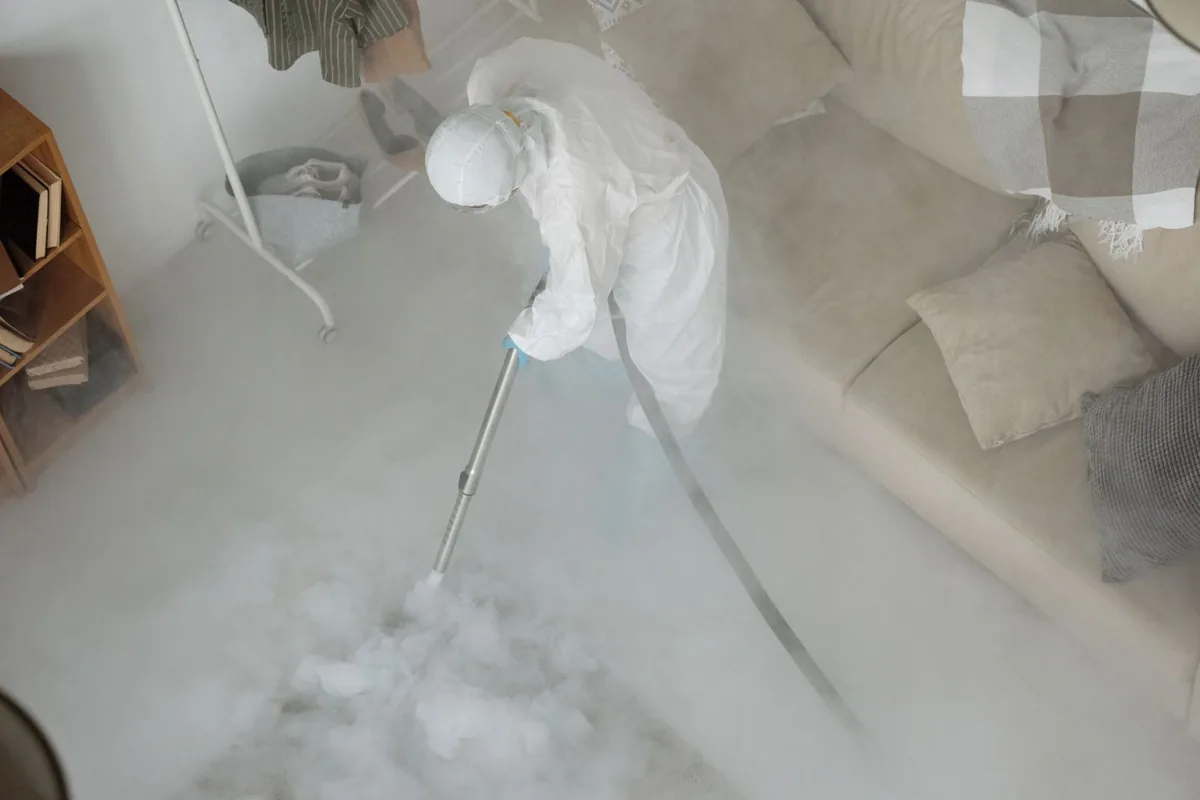
Biohazard removal means taking out the materials that carry germs and then treating what is left so the space is safe again. In Sunnyside, San Francisco, CA, property owners, landlords, families and businesses can get this work done by calling Sunnyside San Francisco Biohazard Cleanup Help.
Biohazard cleaners provide emergency response 24/7 in unmarked vehicles. Cleanup technicians contain the affected areas, remove contaminated and hazardous materials, disinfect every surface and haul the biohazardous waste away. Crews serve Sunnyside, Westwood Park, San Francisco and the rest of San Francisco County.
The vacancy rate in San Francisco is 12%, above the California average. Empty houses can sit unchecked, so sewage, animal waste, rodents and damage can build up unseen. About 76% of homes in San Francisco were built before 1980, and older carpet, subfloor and wood trim absorb fluids deeply.
Decontamination starts with protecting people. Crews suit up in PPE, set up barriers so contaminants cannot drift into clean rooms, and work to OSHA bloodborne pathogen protocols (29 CFR 1910.1030) from the first step to the last.
Sealing, cleaning, disinfecting and ventilating work together. Plastic barriers and HEPA air scrubbers hold contaminants in place, EPA-registered disinfectants do the germ kill, and hydroxyl or ozone treatment clears the odor that is left.
From a single blood spill to a whole hoarder house, the services below cover the cleanup jobs that come up in Sunnyside, San Francisco, CA. All are available day or night.
Contaminated materials removed, surfaces disinfected, odor treated and waste hauled away from your property.
Learn more →Crime scene cleaners handle contaminated carpet, drywall and debris, then check the work before handing the space back.
Learn more →Trauma and crime scene cleanup for homes, workplaces and vehicles, handled privately with protective gear.
Learn more →Cleaning, disinfection and odor removal after a death that was not found right away.
Learn more →Respectful biohazard cleanup that removes affected materials and treats odor so families do not have to.
Learn more →Homicide cleaners remove contaminated materials, disinfect every affected surface and prepare records for insurers.
Learn more →Blood removal, disinfection and waste disposal for floors, carpet, walls and furniture after an injury or accident.
Learn more →Human feces cleanup and removal in homes, rentals and workplaces, with odor treatment included.
Learn more →Human feces and urine cleanup in homes, rentals and workplaces, with disinfection and odor treatment.
Learn more →Odor control for landlords, buyers and families whose property still smells after a loss.
Learn more →Respectful hoarder cleaning that clears exits, sorts belongings with you and cleans every room.
Learn more →Full-house hoarder cleanout with sorting, haul-away and deep cleaning from the first room to the last.
Learn more →Ammonia odor, urine and feces cleaned from floors, walls and air after animals are removed.
Learn more →Respectful squalor cleaning for owners, landlords and families, step by step.
Learn more →Category 3 cleanup with protective gear, sealed disposal and EPA-registered disinfectants.
Learn more →COVID-19 cleanup and coronavirus disinfection of high-touch surfaces, bedrooms, bathrooms and shared rooms.
Learn more →Detailed decontamination after blood, sewage, animal waste or infectious illness, using EPA-registered disinfectants.
Learn more →Local biohazard disposal services, from one sharps container to rooms of contaminated medical supplies.
Learn more →Found a needle? A cleanup team searches the area, removes every sharp and disinfects what it touched.
Learn more →Clearing a room or unit after drug use, with sealed containers and proper disposal.
Learn more →Testing, removal, cleaning and retesting for properties where meth was made or heavily used.
Learn more →Fentanyl decontamination: powder and residue contained, collected and cleaned from homes, vehicles and workplaces.
Learn more →Toxic waste cleanup that identifies the substance, cleans affected surfaces and follows disposal rules.
Learn more →Hazmat cleaning for pavement, soil, buildings and equipment, with protective gear and lawful waste disposal.
Learn more →Irritant residue removed from walls, floors, fabrics and vents after tear gas or pepper spray is released.
Learn more →Rodent infestation cleanup after pest control, with odor removal and sanitizing of the affected area.
Learn more →Containment, wet removal and disinfection of bat and bird guano in attics, barns and rooftops.
Learn more →Carcass cleanup of fluids and soaked insulation, carpet and drywall that cannot be saved.
Learn more →Biohazard car detailing after an accident, a crime or a medical emergency in or near the cabin.
Learn more →Blood and body fluids removed and disinfected after falls, cuts, crashes and workplace injuries.
Learn more →Biohazard cleaning for commercial and industrial sites, from restrooms and break rooms to warehouse floors.
Learn more →House cleanout and hauling for estates, landlords and out-of-town families after a loss.
Learn more →The first step is deciding what is unsafe and how far the contamination goes. Hazards such as sharps, broken glass or sewage are noted before anyone starts.
The affected area is sealed off with plastic sheeting and air filtration so contaminants and odor cannot spread. Technicians put on PPE before they enter.
Hazardous materials are removed, and every surface is cleaned and disinfected with EPA-registered products. Items that must go are packed as regulated waste.
Odor and surface checks confirm the result, then biohazard waste is removed from the property under medical waste rules.
Death odor and sewage smell are treated with air scrubbers and hydroxyl or ozone equipment, not masked with sprays that fade.
A cleanup specialist explains the steps, the likely cost range and what the property owner needs to do next, in everyday words.
OSHA bloodborne pathogen protocols, full PPE, EPA-registered disinfectants and lawful biohazard waste disposal on every job.
Photos, documents, jewelry and keepsakes are set aside for the family whenever they can be safely saved.
Biohazard cleanup in Sunnyside, San Francisco, CA typically costs $500 to $25,000, depending on the type of biohazard, the size of the affected area and how far fluids soaked into porous materials.
Most residential jobs cost $3,000 to $5,000 (Fixr). Ask what is included before agreeing to anything: removal, disinfection, odor control, waste disposal and paperwork. A clear scope helps the family, the landlord and the insurance company agree on the cost.
| Type of job | Typical range |
|---|---|
| Blood spill cleanup, small area | $500 - $2,500 |
| Crime scene cleanup, most homes | $1,500 - $7,500 |
| Unattended death cleanup | $2,000 - $7,000 |
| Suicide cleanup | $1,500 - $5,500 |
| Sewage cleanup, most homes | $2,000 - $10,000 |
| Hoarding cleanup, level 3 home | $2,000 - $5,000 |
| Meth lab cleanup, typical | $15,000 - $20,000 |
Estimates only, not a quote. Sources: Fixr, Yelp Costs, BioCleaners Directory, PushLeads, Dropcurb, Bob Vila and cleanup company cost guides. Call (877) 812-4220 to talk through the job.
With a vacancy rate of 12% in San Francisco, empty buildings can collect animal waste, drug paraphernalia and storm damage that nobody sees until later.
An average July high of 62 degrees in Sunnyside speeds up decomposition after a death. The sooner the scene is released and cleaned, the less the odor and fluids spread.
Failing septic systems and sewer backups push raw sewage, a Category 3 biohazard, into homes. Sewage cleanup removes contaminated materials and disinfects every surface.
Falls, power tool injuries, farm and industrial accidents and car crashes can leave blood and tissue behind. Accident scene cleanup removes the trace so the space can be used again.
Hoarder homes can hide rotting food, animal waste, mold and pests, along with fire and structural hazards. Hoarding cleanup sorts belongings and restores a livable condition.
San Francisco County has a Relatively High river flood risk rating from FEMA. Floodwater mixes with sewage, and anything it touches needs full biohazard cleaning, not just drying.
Knowing the basic types and job sizes makes the first phone call easier. Describe what happened and where, and a cleanup specialist can tell you which category the job likely falls into.
Regular cleaning removes dirt. Biohazard cleanup removes infectious material and reaches under and behind surfaces, using PPE, containment, EPA-registered disinfectants and regulated waste disposal. It follows safety rules that ordinary cleaning does not.
It means discreet removal of blood, bodily fluids and affected materials, followed by full disinfection and odor treatment, so the family never has to face the scene. If you or someone you know is thinking about suicide, call or text 988 to reach the 988 Suicide and Crisis Lifeline.
Many policies do cover cleanup after a death in the home, but some exclude certain causes or situations. Read the policy or ask the insurer which parts apply. Call the insurance company before cleanup starts, and keep photos and receipts for the claim.
It varies by the germ. Hepatitis B can survive on surfaces for at least seven days, and other pathogens last for different periods. Because nobody can tell by looking, all blood is treated as infectious until it has been properly disinfected.
Ask whether the crew follows OSHA bloodborne pathogen rules, uses EPA-registered disinfectants, disposes of waste lawfully and can document the work for insurance. Compare how biohazard cleanup companies explain scope, cost range and privacy, and be cautious about anyone who pressures you to sign on the spot.
Yes. Raw sewage is treated as Category 3 water because it can carry bacteria such as E. coli, viruses and parasites. Porous materials it touches usually must be removed, and the rest is cleaned and disinfected.
The nearest emergency room is Marinhealth Medical Center in Greenbrae, about 30 miles from Sunnyside. In any emergency, call 911 first. Cleanup waits until people are safe.
Tell the landlord and the renters insurer right away. With renters in about 62% of homes in San Francisco, many rentals have a process for this. The building is usually the owner's job, and belongings may fall under the tenant's policy.
The service area reaches from Sunnyside to San Francisco, Westwood Park and Miraloma Park. Whichever town the property is in, the process and the protective standards stay the same.
Ask about the steps, the cost range and insurance before anything starts.
Call (877) 812-4220